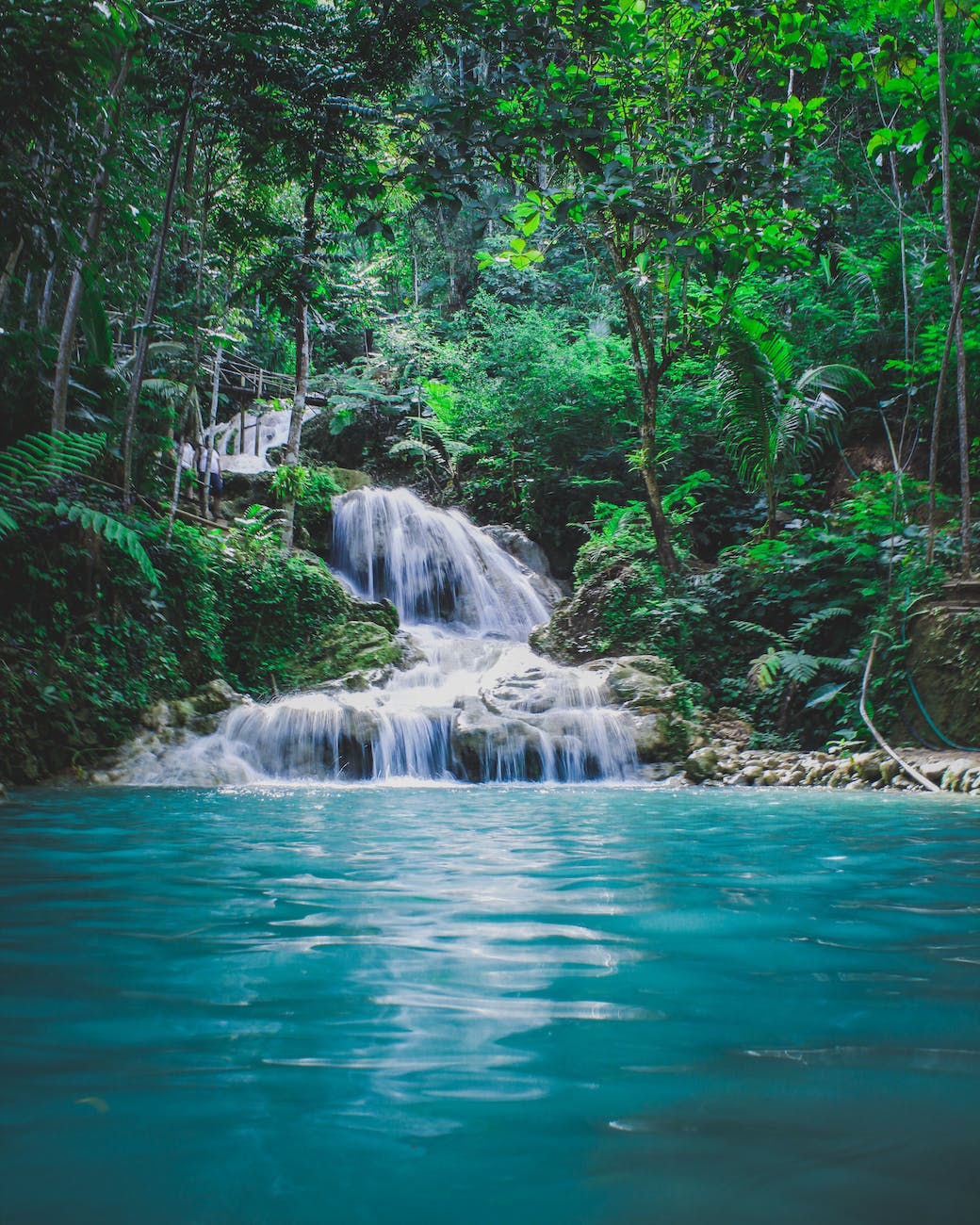
Earth is known as the water planet. Water is important for all living organisms. There is a great variety of plants and animals that live in or near water—enough to interest every child.
Water is Water
Author: Miranda Paul Illustrator: Jason Chin
Age: 5-7
A different look at the forms of water takes as seen through the many ways children interact with water.
Fish for Kids: A junior scientist’s guide to diverse habitats, colorful species and life under water.
Author: Keven Kurtz
Age: 6-9
Junior scientist’s series
Like other books in the junior scientist series, the first half of the book provides general information about fish with some experiments. The second half of the book looks at a variety of fish species, both fresh and salt water.
Did you know : Ocean
Author: Steve Setford
Age: 6-9
Provides a comprehensive coverage of facts about the ocean, ranging from ocean habitat and life to hurricanes and submarines. Every page has questions to reinforce the learning. This book also asks questions which require the child to reason out the answer such as whether an octopus can unscrew a jam jar lid.
Life in Rivers
Author: Mieralla S. Miller
Age: 8-11
Defines what is a river and looks at how the river changes from the source to the mouth. Pictures help with understanding the explanation. Glossary is also provided.
River
Author: Sean Callery
Age: 7-10
Life Cycle series
Looks at the life cycles of eleven animals who depend on rivers or ponds for part of their existence. Rivers include those from South America, North America and ponds of Europe. Many of the animals can be found on more than one continent. For examples, river otters are found in North America but are listed under European ponds in this book.
Oceans, Lakes and Rivers
Author: Melanie Ostopowich
Age: 8-11
Water Science series
Looks generally at the water ecosystems. It also looks at pollution and conservation issues. Has quizzes, science in action exercises and a glossary. There are websites provided by the publisher you can access for further information and videos.
Explore
Visit a waterway –river, stream, pond, lake or ocean—near your house. Note what the water looks like, what animals are in or around the water, what types of plants are there. Compare as you visit other waterways. Visit a nearby aquarium.
Check with your local county parks, natural resource department or environmental groups to see if someone is sponsoring a shore clean up project near a waterway. This can range from picking up trash (usually family friendly) to dragging trash out of the waterway, often on canoes (older children).
Some of these organizations also offer free fishing lessons to children.
Carefully consider whether your family wants an aquarium. This requires a commitment of both time and money. Improper disposal of unwanted aquarium fish is a major problem of introducing invasive species into waterways — the lion fish in the Gulf of Mexico waters is one example. If you get an aquarium, make sure you know of proper ways to dispose fish.
Remember your local librarian can recommend other excellent age appropriate books on water.
 Nature Read and Explore