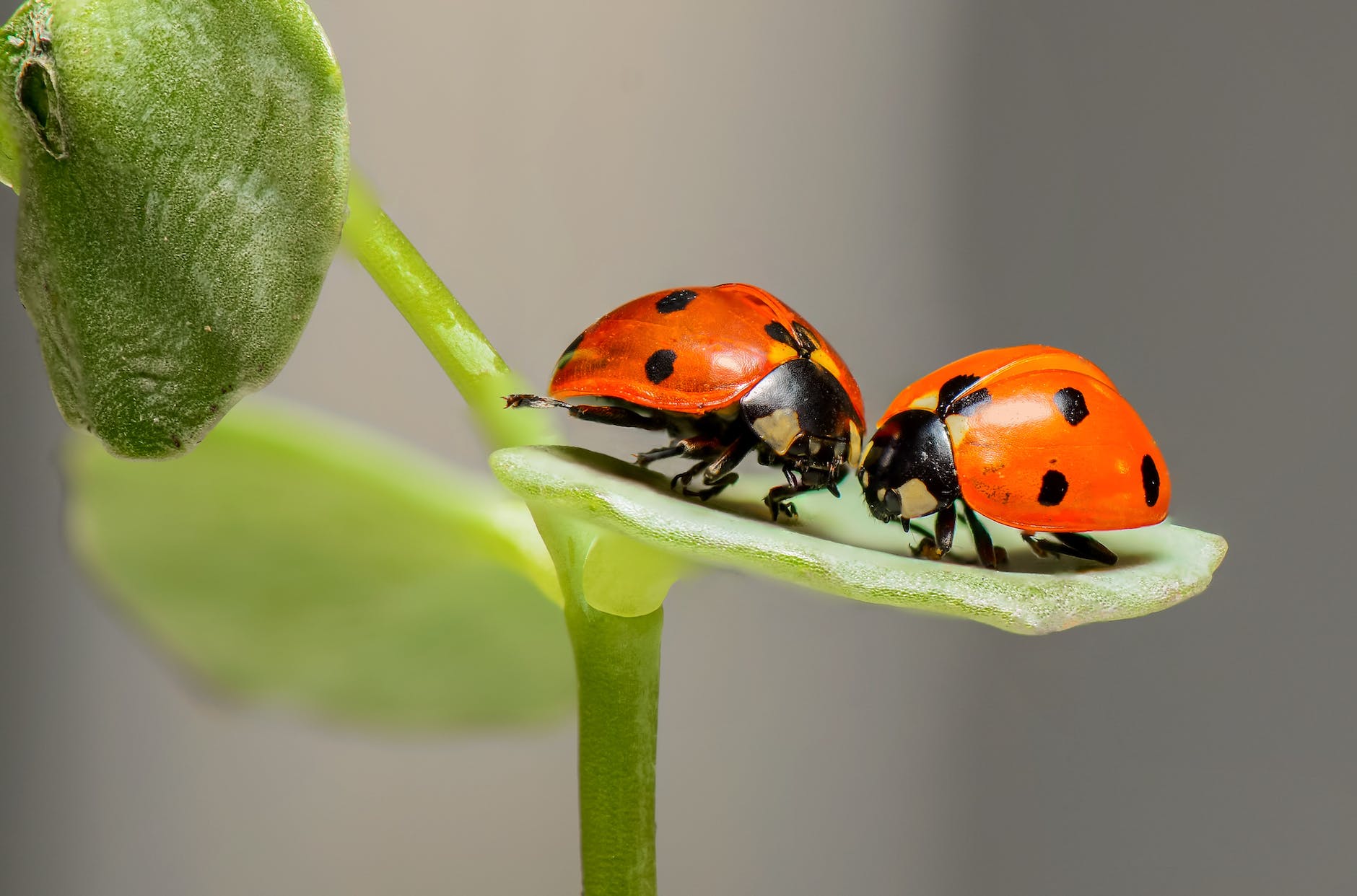
Insects are the largest group of animals. They even predate the dinosaurs. Insects often get a bad rap as some carry disease and others eat crops. However, many insects are beneficial — they eat the disease carrying and crop eating insects. And 30% of what we eat is pollinated by insects. So whether you are talking about flies, butterflies, beetles or cockroaches, what they all have in common is 6 legs — not 4 or 8.
I love insects
Author: Lizzy Rockwell
Age: 5-7
I like to read series
A young girl and boy look at the good and bad sides of insects, how they can help and hurt humans and other creatures. Aimed at children who are learning to read.
How to Build an Insect
Author: Roberta Gibson, Illustrator: Anne Lambert
Nonfiction
Age: 5-9
Talks about the various parts of an insect and how they differ from other types of creatures like spiders who have 8 instead of 6 legs. The back includes directions for a craft project so that the children can make their own insect.
Insects
Author: Martha E.H. Rustad
Non fiction
Smithsonian Little Explorer series
Age: 6-8
After a brief introduction to insects (and what are not insects), this book looks at specific types of insects such as ants, bees, beetles and butterflies. Clear photography illustrates the text.

Insects The Ultimate Explorer’s Field Guide
Author: Libby Romero
Nonfiction
Ultimate Explorer’s Field Guide Series
Age: 8-12
A fun fact filled field guide to insects. Lots of photos help with identifications. Jokes are also included. Insects that may cause problems such as bites and stings are clearly marked. Tips on where to insects during the various seasons are provided.
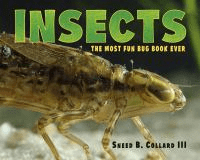
Insects: The Most Fun Bug Book Ever
Author: Sneed B. Collard, III
Nonfiction
Age: 9-12
Instead of looking at insects by different groups, this book looks at functions – insects designed to dominate, those who like to party (social insects), insect defenses and the like. Provides more complete explanations than the other books in this section. The author uses humor to make connections.
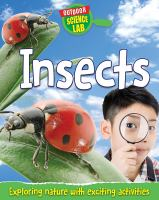
Insects Outdoor Science Lab
Author: Lindsey Lowe
Nonfiction
Age: 8-10
Outdoor Science Lab Series
Covers general basics of insects including their bodies, senses, life cycles and eating and breathing. There is a very basic identification guide in the back. Also includes directions on several projects including making an insect net, a pit trap and an ant farm.
Explore
With the wide variety of insects, there are many ways to explore. Many parks and arboretums have butterfly and other pollinator gardens. Maybe you have a good location (full sun) for one in your back yard. Many insects don’t move around in winter but during the other seasons, consider looking for ants, bees, butterflies and moths. Looking under leaves and other debris on the ground is a good way to find beetles. Keep track of what you find. Several of the books offer suggestions as well. With as many different types of insects there are, you will never run out of finding some–maybe in your own house.
 Nature Read and Explore