Birds are probably one of the easiest animals to introduce to young children. These descendants of dinosaurs come in many varieties and provide such useful services as keeping insects and rodents under control. Birds fly but they also swim and walk.
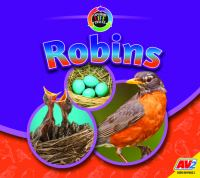
Robins
Author: Katie Gillespie
Nonfiction
Age: 5-7
Follows a familiar bird through its’ lifecycle. Book comes with a code that allows access to an interactive e-book.
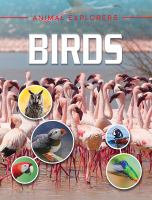
Birds
Authors: Michael Leach and Meriel Lland
Nonfiction
Age: 7-10
Animal Explorers series
A basic bird book that introduces young readers to specific birds (owls, hummingbirds, penguins) to look at common features of all birds. Includes fun facts and answers to some basic questions.
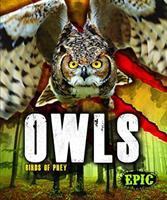
Owls Birds of Prey
Author: Nathan Sommer
Nonfiction
Age: 6-7
A close look at Owls. There are photos of several different types of owls while the text deals with what they have in common. Answers such questions as to why owls move so silently and why their heads can twist so they can see behind them.
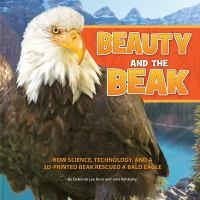
Beauty and the Beak : How Science, Technology and a 3-D Printed Beak Rescued A Bald Eagle
Authors: Deborah Lee Rose and Jane Veltkamp
Nonfiction
Age: 5-12
American Association for the Advancement of Science/Subaru winner
A true story of Beauty, a bald eagle whose beak was illegally shot off. This made it impossible for her to eat in the wild. Focus is on the scientists who helped make and install a prosthetic beak. The second half of the book looks at bald eagles in general. List of resources in the back, including several from the well-respected the Cornell Lab of Orinthology.

Crow Smarts: Inside the Brain of the World’s Brightest Bird
Author: Pamela S. Turner
Photographs: Andy Comins and Guido de Filippo
Nonfiction
Age: 11 -13
American Association for the Advancement of Science/Subaru winner
The island of New Calendonia has some crows which are as smart as a second grader. These crows not only use tools but they create them as well. They also have the ability to do multiple step puzzle solving. Follow the researchers as they explore the exploits of these crows.
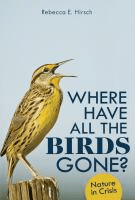
Where Have all the Birds Gone?
Author: Rebecca Hirsh
Nonfiction
Age: 13 -18
Nature in Crisis series
Over a 40 year period, the US bird population declined by 30%. This book looks at a variety of causes from windows, cats to habitat loss. The science establishing the loss is presented in an age appropriate way and suggestions are offered as to how families can help.
Explore
There are many ways to explore with birds. Build a bird nest. Put up a bird feeder. Keep a bird log of birds you see. Many organizations do bird counting exercises which can be done as a family. Some groups offer bird banding exhibitions. Many Audubon Society chapters have family friendly activites.
Identifying birds can be very difficult as the males and females are often different sizes and colors. In some species, color and feathers can change as they age. Many experienced birders rely on birdsong rather than just shape and color to make an identification. There is a helpful ap you can use to help id birds. The Cornell Lab of Ornithology has an app called Merlin Bird ID that is very useful. This website has many helpful resources for children and is well worth a visit. Currently it is located at https://www.birds.cornell.edu/home/
 Nature Read and Explore