Reptiles are animals with back bones with skin of scales, bony plates or both. Their main distinguishing feature is they are cold-blood. This means they cannot control their own body temperature but must get warmth from the sun and move to the shade to cool down. Reptiles include snakes, turtles and crocodiles.
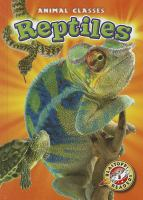
Reptiles
Author: Kari Schuetz
Age: 5-7
A beginning reader book. Looks at the four main types of reptiles with a listing of “remarkable” reptiles such as the largest reptile. A basic primer.
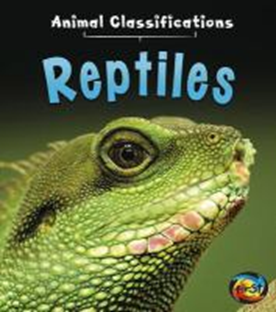
Reptiles
Angela Royston
Age 6-8
Series: Animal Classifications
Explains the concept of classification and then looks at the four main types. Good photography. Has both a quiz and a glossary.

Snakes for Kids
Author: Michael G. Starkey
Age: 6-9
Series: Junior Scientist’s Guide
Provides some general snake basics before looking at specific snakes from around the world. Introduces the concept of taxonomy. Looks at life cycle, anatomy, and slithering. Glossary is included.
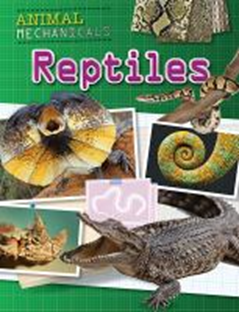
Reptiles
Author: Tom Jackson
Age: 8-10
Series: Animal Mechanicals
Looks at various features such as sticky feet (geckos) or fangs (snakes) that help reptiles thrive. In addition to fact file and profiles, many entries include other fun facts including fault finder or things that make the reptile more susceptible to predators. For example, the chameleon’s ear design severely limits the sounds it can hear. Quiz and glossary are included.
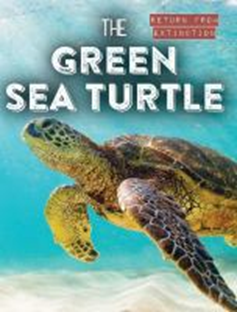
The Green Sea Turtle
Author: Leonard Clasky
Age: 8-11
Series: Return from Extinction
Looks at the green sea turtle, its’ importance to the seagrass ecosystem and historical and current threats. It notes positive conservation steps that are helping to increase the population. Various ways those who live on or visit beaches can help are provided. Tips about reducing pollution such as using recyclable bags vs. plastic are ways anyone, regardless of where they live, can help the sea turtle and other marine wildlife.
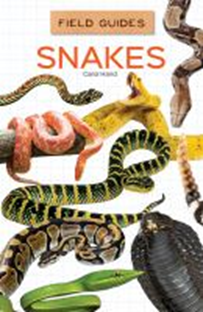
Snakes: A Field Guide
Author: Carol Hand
Ages: 8-15
This field guide covers over 100 snakes from around the world. In addition to descriptions and how to spot, several entries have fun facts. Photos are good close ups – probably closer than you want to get to the snake! Notes that many species will have the colors of a venomous snake – such as the coral snake—to deter predators.
Explore
It can be difficult to find reptiles in the wild –during cold weather they are not very active and many of them are shy. This may require a visit to a zoo or aquarium to see them. Some reptiles make popular pets. However, many snakes and turtles are long-lived. If you get one for a pet, please be responsible. If the pet is no longer wanted, contact pet stores or other sources to see if they will take it. Do not release the reptile into the wild. The Burmese python is taking over the Florida Everglades because it has no natural predators there. They are killing off many of the local species. The simple act of a wild release can have many unseen consequences.
 Nature Read and Explore