Fictional Role Models
Fictional role models can be as inspiring as real environmentalists whose scientific background may seem years away from attainment. These books let children know that people of any age can work to protect nature.
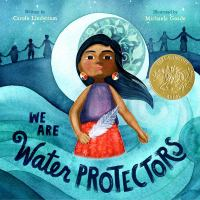
We are Water Protectors
Author: Carole Lindstrom Illustrator: Michaela Goade
Ages: 4-8
Caldecott Award Winner
This book reflects Ojibwe women as the protectors of water. It is inspired by recent events of indigenous peoples try to stop oil pipelines (the black snake) from crossing and polluting their lands. The unnamed girl calls upon all to stand up for those in nature who cannot speak.
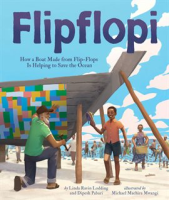
Flipflopi
Authors: Linda Ravin Lodding, Dipesh Pabari; Illustrator: Michael Mwangi
Age: 4-8
Fiction
Based on a true story about making a sea worthy boat from all of the plastic trash washed up on the shore. Young Jamu shows the possibilities when he asks his friends who ask others to gather the trash. The book offers suggestions for young children and families to reduce plastic consumption.
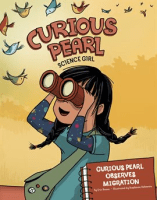
Curious Pearl Observes Migration
Author: Eric Braun Illustrator: Stephanie Dehennin
Age: 5-7
Fiction
Series: Curious Pearl Science Girl
Curious Pearl helps her friend Sal figure out why all the warblers have left his yard. Shows an age-appropriate way to explore nature questions and discusses other animals who migrate and why. An exercise is included. There are other books in this series.

The Lorax
Author: Dr. Seuss
Age: 6-9
Fiction
This is not an easy-going Dr. Seuss book. The Lorax tries to speak on behalf of the trees, plants, birds and animals to a manufacturer who does not see what has happened until everything is gone. This story is told to a young person who is encouraged to continue the Lorax’s speaking up for nature in the hope that things may change in the future.
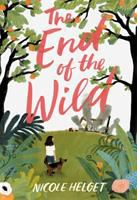
The End of the Wild
Author: Nicole Helget
Fiction
Age: 8-10
American Academy for the Advancement of Sciences/Subaru winner
Fracking is coming to a town with a lot of poverty. People are excited about high paying jobs but there are some concerns about environmental costs. A sixth-graders science fair project on foraging in the woods which is destined to be a wastewater pond for the fracking helps people to take time and more accurately reflect on potential environmental costs. Foraging recipes are included.
Explore
Fictional characters can be good role models. Pick an activity for the family that would help preserve habitat and nature. For example, go without plastic bags for one month – use paper or even better — cloth bags. Be mindful of the amount of plastic packaging in products you buy. See if there is a group near you that plarns (crochets with plastic bags rather than yarn) mats for the homeless. Even if you don’t crochet you can cut your bags into strips for them to use.
 Nature Read and Explore